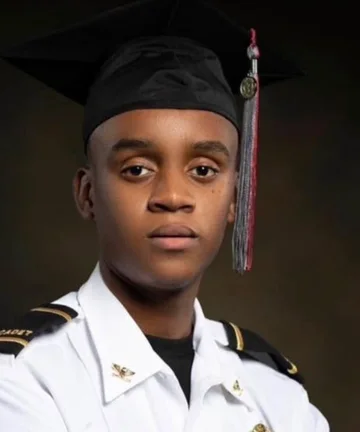
Mikell Walker Jr.
Founder & Chief Executive Officer
Mikell leads M2 Mobility’s corporate strategy, executive partnerships, growth planning and fundraising direction.
Talk to Mikell about investment, fundraising and executive partnerships.
 MOBILITY
Some trips are too far to walk between classes or before a shift. M2 Mobility is a Georgia-founded transportation technology company building shared rides for those trips.
We start with electric scooters, the M2GO app and a host who knows the area. Together we choose where riders park, who handles a problem and how to judge a pilot. A campus, city or property starts with one route and grows from there.
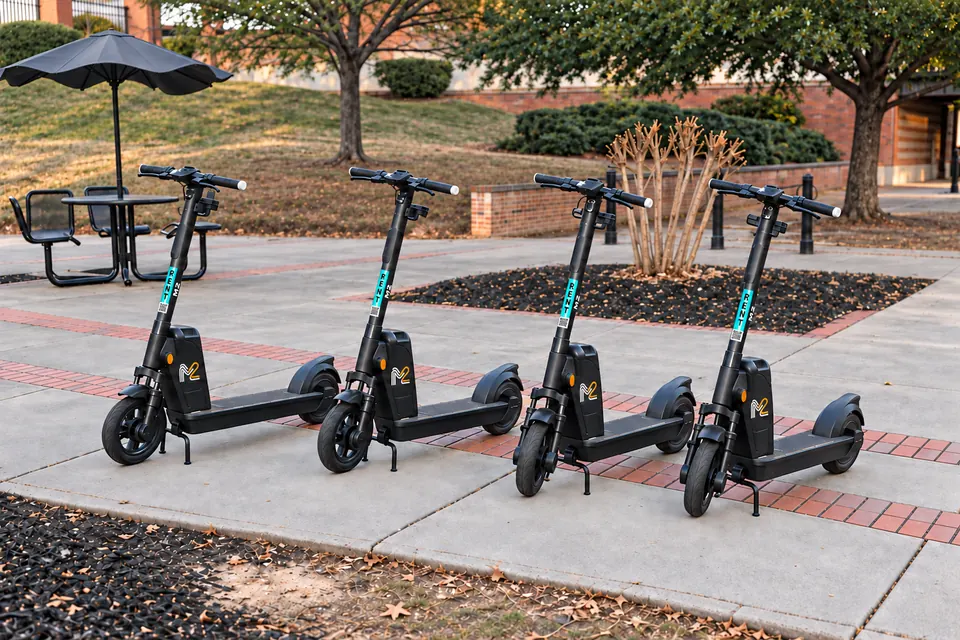
A student, a shift worker and a resident all make some version of this trip. It is too short for a car and too long when you are late.
Routes, parking and boundaries
Design the program
We walk your campus or city with your team. Together we choose the route riders take, mark the return zones, and draw the boundary where riding stops. Plazas and doorways you name stay walk-only.
An agreed site plan before a scooter arrives.
Connect the journey
Riders unlock a scooter in the M2GO app and follow the route chosen with you, from the transit stop to the door. The boundary you set is geofenced: riding stops at the line, and the areas you mark walk-only stay walk-only.
A practical connection between everyday destinations.
Keep the way clear
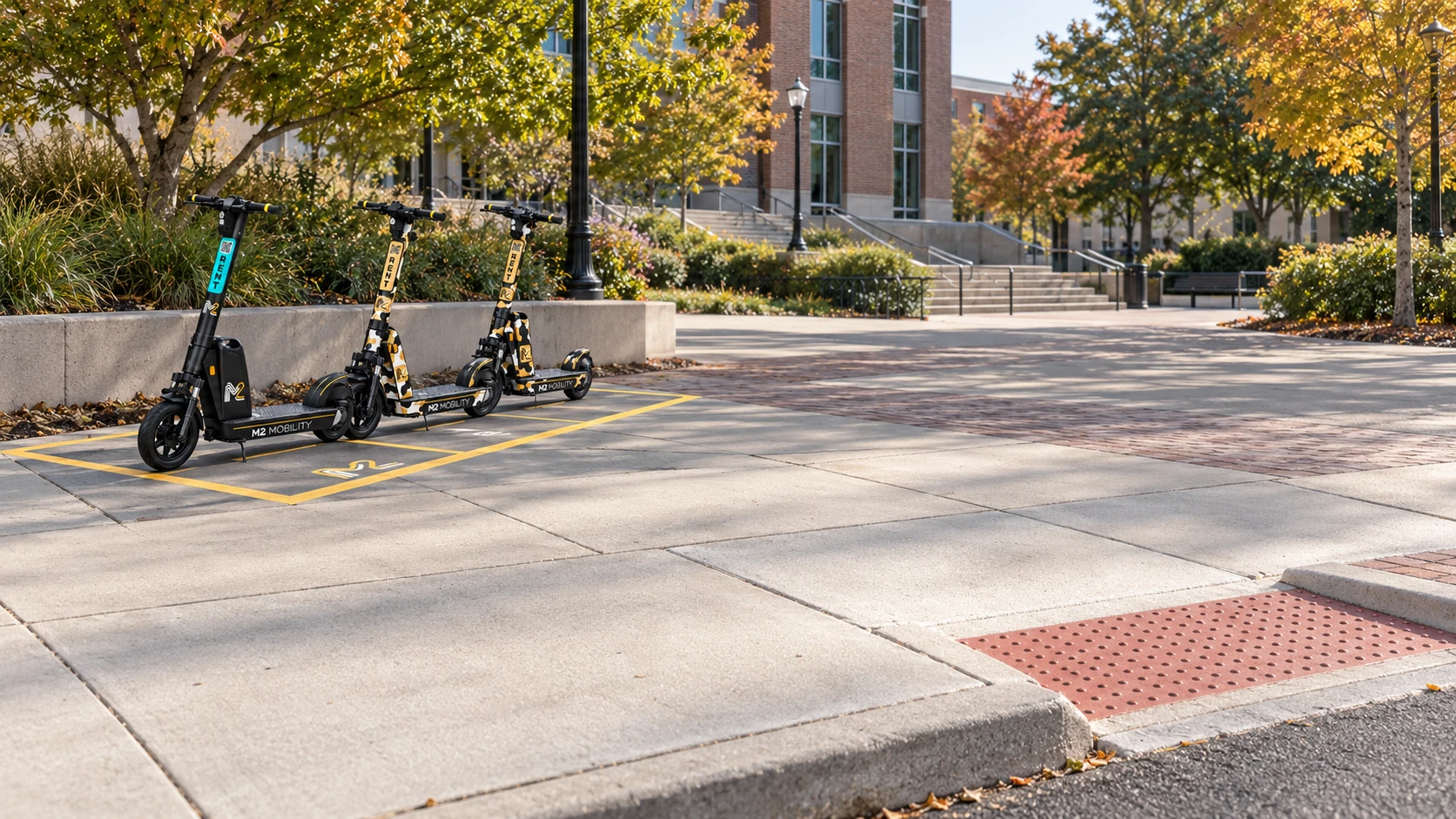
Rides end at a parking hub: a marked return zone beside the walkway, never on it. Scooters stand upright, and curb ramps, doorways and crossings stay clear.
Parking planned around the people using the space.
Care for the fleet
Once a program is running, our local team works a service round: checking each zone, charging, moving scooters that are out of place and taking in any that need repair. Your team has a named local contact, and we review the program together on a schedule you set.
One accountable local team, and a name to call.
Riding areas, parking hubs and the service plan are agreed with each site.
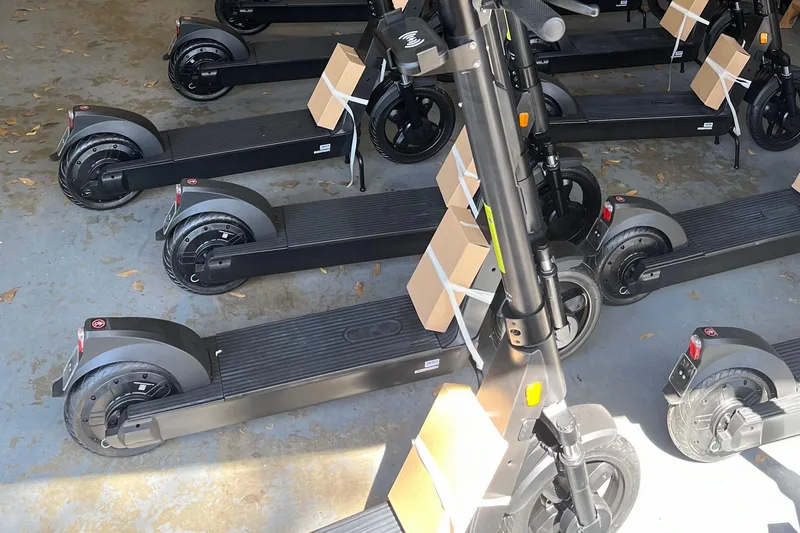
M2 has electric scooters and is discussing how a host could use them in a local pilot.
One app for every M2 ride. M2GO comes with every M2 scooter: the app and the scooters are one service. There is no scooter without M2GO. M2GO is in development.
Open M2GO to see the nearest scooter on the map, how far away it is and how much battery it has.
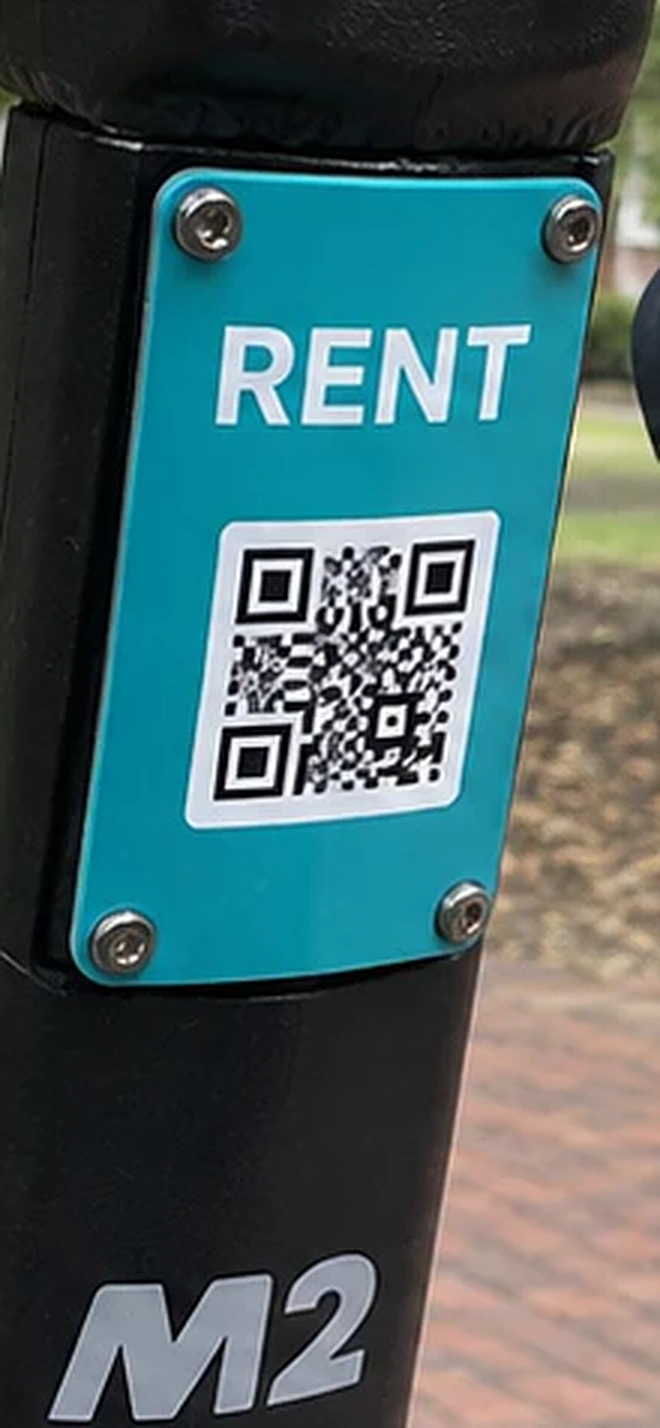
Scan the code on the stem to unlock. No keys, no kiosk, no waiting.
Follow the marked routes. M2GO shows your ride time and battery as you go, and flags slow zones.
End in a Gold Zone, take one photo of how you parked, and you are done.
 M2GOby M2 Mobility
More Ways.
More Possibilities.
M2GO screens shown are in development.
Scooters and M2GO come first, together. Everything else is labeled with its real stage.
A short ride between housing, class, work and transit. Every scooter is unlocked, ridden and returned through M2GO.
See details
The rider app that comes with every M2 scooter: find, scan, ride and park in an approved zone.
See the app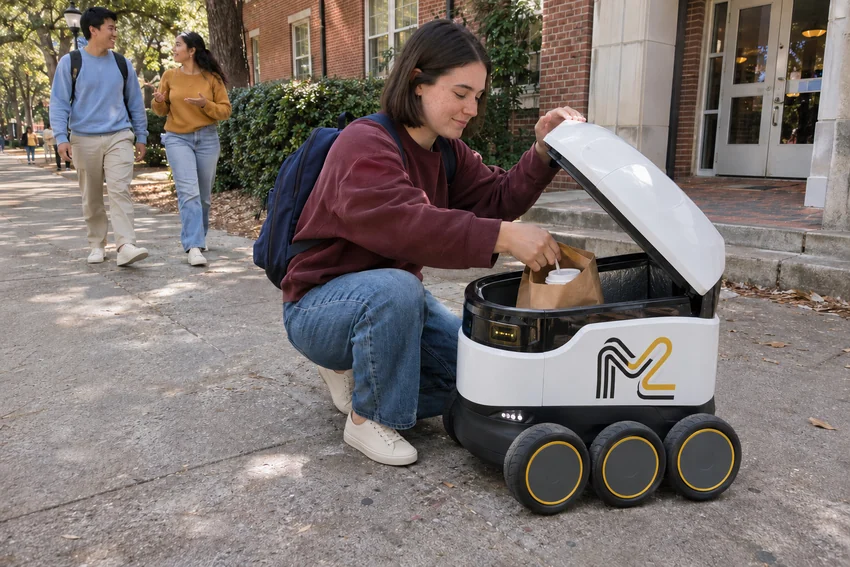
Sidewalk robots carrying food, essentials and packages across a campus or district.
See details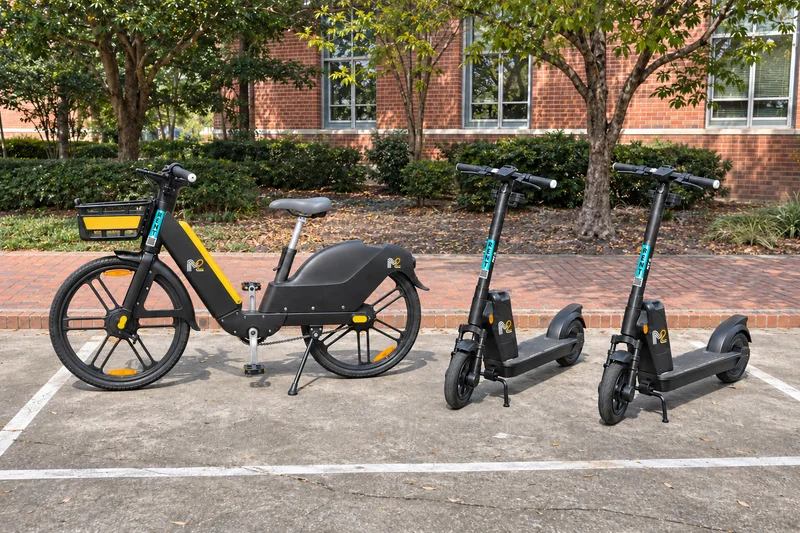
A seated ride for longer or hillier trips, on the same parking and service plan.
See details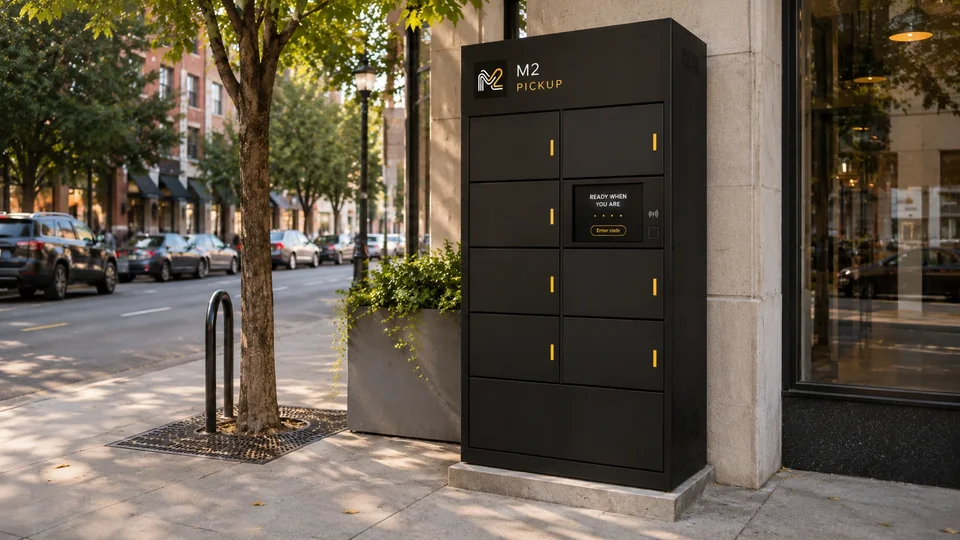
Secure pickup that holds an order until you arrive, then opens with a code.
See detailsA host is whoever knows the ground. Choose yours.
A city evaluates a proposed 10–25-scooter pilot on one short-trip corridor. Limits, parking, permits and reporting are settled first, and the city keeps the right to adjust, pause or end it.
From HBCU campuses to large universities and technical schools. The campus chooses the routes and the parking; M2 serves them, with student roles built into the plan.
Residents, workers and visitors move between homes, shops, jobs and transit. A property pilot answers the owner’s questions on access, operating space, parking and responsibility.
One short corridor, a local contact, and a pilot sized to the place. Smaller communities are where a short ride changes the most, and where M2 is built to work.
The host points to a trip people struggle with. M2 walks it with the host’s team.
Where riders park, where they walk, who the contacts are, and how problems get handled.
Both sides agree how to measure the pilot and when to adjust, pause, extend or end it.
Profit is a business objective. The model works at one site, then repeats at the next.
Our reference scooter fare is $0.35 per minute. Fares vary by location. The standard reference also includes a $1 unlock. The local fare applies.
Scooter purchase and upkeep, charging, field labor, software, payments and insurance set what each site costs to serve. A pilot shows how often riders use the fleet and what it takes to keep short trips affordable.
Every program starts with agreed riding areas, geofenced boundaries, marked parking, a local contact and a plan for inspections and incident follow-up.
Founder & Chief Executive Officer
Mikell leads M2 Mobility’s corporate strategy, executive partnerships, growth planning and fundraising direction.
Talk to Mikell about investment, fundraising and executive partnerships.
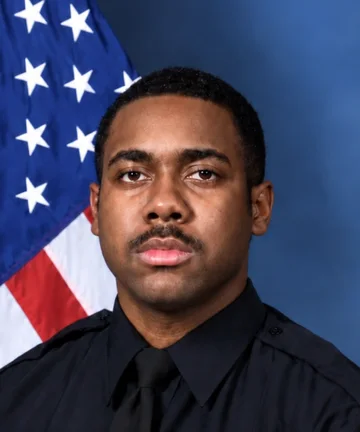
Chief Operating Officer
Marvin leads operating development, business coordination and the work of preparing M2 for a partner program.
Talk to Marvin about pilots, partnerships and day-to-day operations.
Read the thesis, then introduce yourself or book a meeting with a founder.
Pick a time with a founder to talk through one route at your campus, city or property.